Blog
Posted on February 10, 2025
By Irene Nyambura and Julia Boharski, World Concern
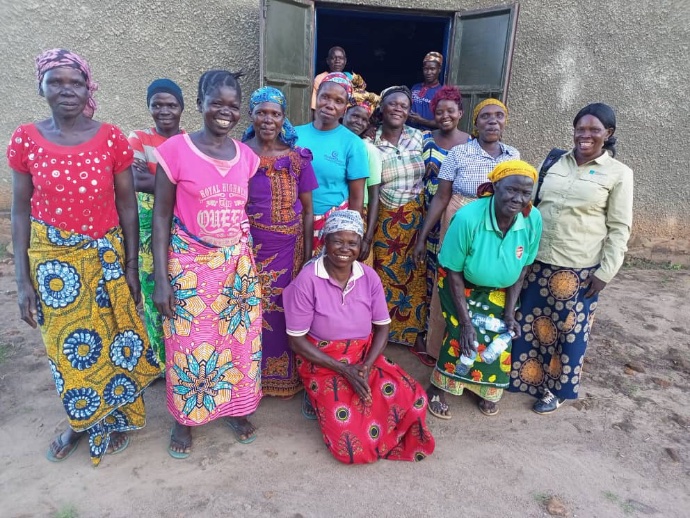
Women leaders in OVT Azanga, DRC. Photo: World Concern
In the Democratic Republic of Congo (DRC), gender inequality is deeply rooted in cultural norms and further exacerbated by over thirty years of conflict. DRC ranks 140th out of 146 countries on the Global Gender Gap Index 2024, which assesses economic participation, educational attainment, health and survival, and political empowerment.[1] Recent research shows that over 50% of women are survivors of domestic violence, nearly 40% marry before the age of 18, and only 7% of women occupy high level positions in the national government and parliament in DRC.[2] To reduce the outcomes of gender disparity, World Concern, in partnership with local communities and the Diocese of Aru, is implementing holistic programming that addresses the root causes of gender inequality. Through these initiatives, World Concern is witnessing transformative change in the lives of women, their families, and their communities.
Continue Reading
Posted on January 30, 2025
Dear Global Washington Community,
We are reaching out at a time of unprecedented uncertainty for the global development and humanitarian sectors. Recent executive orders from the U.S. administration have imposed a freeze on foreign aid, halted numerous federal grants, withdrawn from international environmental commitments, and introduced significant restrictions on diversity, equity, inclusion, and accessibility initiatives. These actions have immediate and devastating implications for our collective work to improve lives and strengthen communities around the world.
This abrupt policy shift has placed many of our members in crisis. The freeze on USAID funding and other federal grants has triggered stop-work orders across critical programs, jeopardizing food security, global health initiatives, gender equity projects, and climate resilience efforts. From emergency relief operations in conflict zones to long-term development projects that foster sustainable economic growth, these funding cuts are already forcing difficult decisions—shutting down programs, laying off staff, and leaving vulnerable populations without essential services.
Continue Reading
Posted on October 24, 2024
By Tracey Compton, Senior Media Communications Coordinator, Mercy Corps
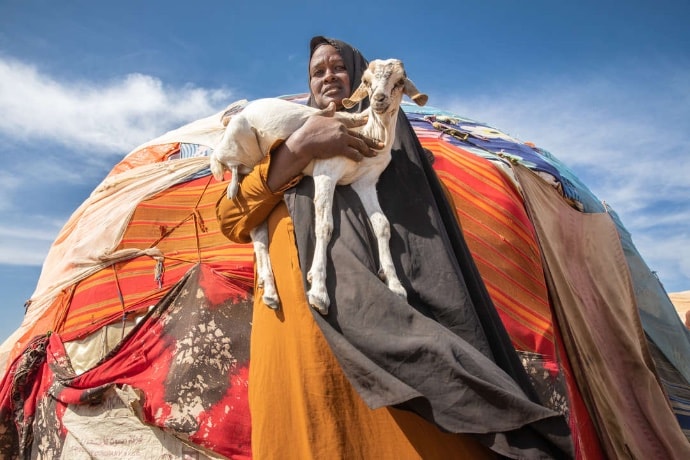
February 2022, Baidoa, Somalia. Dhagan Aclan Aalan holds one of her last surviving goats, in front of her family’s temporary shelter. They are staying at an IDP camp among the scrub brush outside Baidoa. Farmers are watching crops die, leaving nothing to sell or eat. Grazing land has dried up, leaving pastoralists without food or water to feed their livestock herds. As people are forced to migrate and resources are scarce, conflict is likely to increase, further disrupting food systems. Photo: Ezra Millstein/Mercy Corps
October 2024
Mercy Corps is adding a critical perspective to the livestock emissions debate, emphasizing the potential benefits of pastoralists, or those who move herds across land, in drylands and opening a pathway toward food security previously often overlooked by dominant climate narratives.
Continue Reading