Blog
Posted on March 7, 2016
By Sydney Perlotto, Awamaki
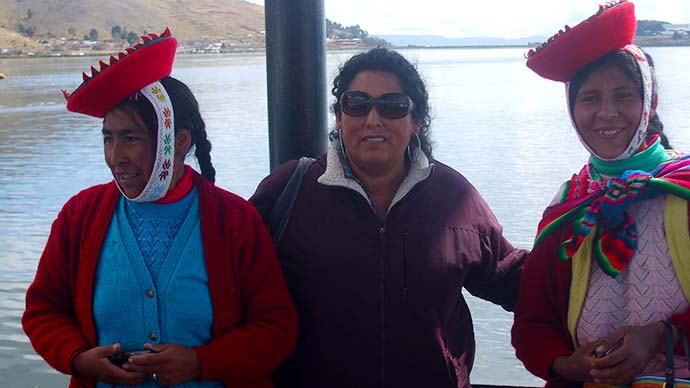
As another International Women’s Day approaches, we at Awamaki asked ourselves: What makes International Women’s Day worth celebrating? As a non-profit working for rural women’s empowerment in Peru with a staff made up of Peruvian and international women, sometimes it feels like every day is International Women’s Day.
Continue Reading
Posted on February 22, 2016
By Krista Schilling, International Services Program Manager, NW Region, American Red Cross
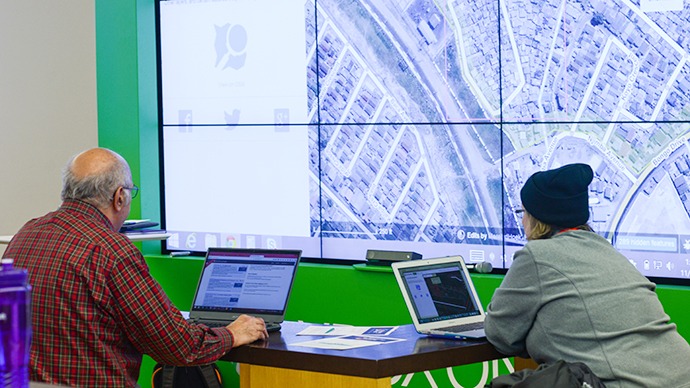
It’s safe to say that the world we live in today is full of global collaboration and innovative communication. This is especially relevant given that every day we are influenced by images of humanity (or crimes against humanity) that encourage us to reflect on how we, as individuals, fit into the greater context of society. It prompts us as global citizens to seek out how we can participate as humanitarians and connect in a cross-cultural context, while having a broader impact to affect positive change from our home here in the Pacific Northwest.
Continue Reading
Posted on February 8, 2016
By Lisa Nikolau, Humanosphere
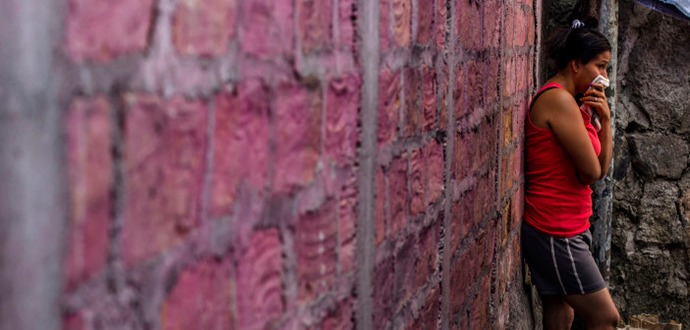
A woman covers her mouth outside her home while city workers fumigate to combat the Aedes Aegypti mosquitoes that transmit the Zika virus in El Salvador, Jan. 26, 2016. (AP Photo/Salvador Melendez)
In response to the recent outbreak of the Zika virus throughout Latin America, health officials in El Salvador have urged women not to get pregnant until 2018 in an effort to combat an increase in a birth defect known as microcephaly, which is suspected to be caused by the mosquito-borne illness.
“We’d like to suggest to all the women of fertile age that they take steps to plan their pregnancies, and avoid getting pregnant between this year and next,” said El Salvador’s Deputy Health Minister Eduardo Espinoza.
Click here to read more on Humanosphere.