Posted on April 27, 2023
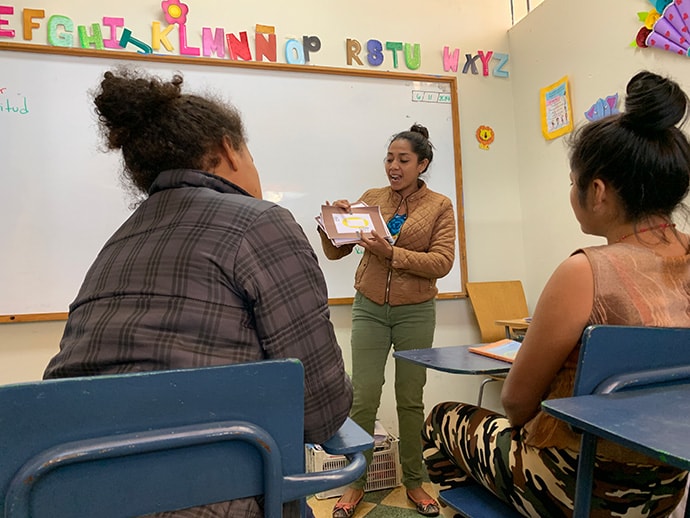
At Covenant House Guatemala’s safehouse for girls who are survivors of trafficking and sexual violence, staff educators ensure that residents can continue their schooling through in-house classes.
In 34 cities across six countries, Covenant House cares for young people overcoming homelessness, survivors of human trafficking, and unaccompanied migrant youth with unconditional love, absolute respect, and relentless support. We have been at work in Latin America since 1981, and the children and adolescents we care for in the region are 12-18 years old. At our sites in seven cities in Guatemala, Honduras, Mexico, and Nicaragua we offer shelter, food, medical and mental health care, substance use treatment, educational support, vocational training, and legal aid. In addition to these direct services, we scale our impact and create systemic change in the region through public education and prevention programs, legislative advocacy, and human rights monitoring and activism. In Honduras, Mexico, and Nicaragua, we are known as Casa Alianza, and in Guatemala as La Alianza.
Continue Reading
Posted on April 25, 2023
By S Pee Vululleh, Executive Director, Lau Foundation
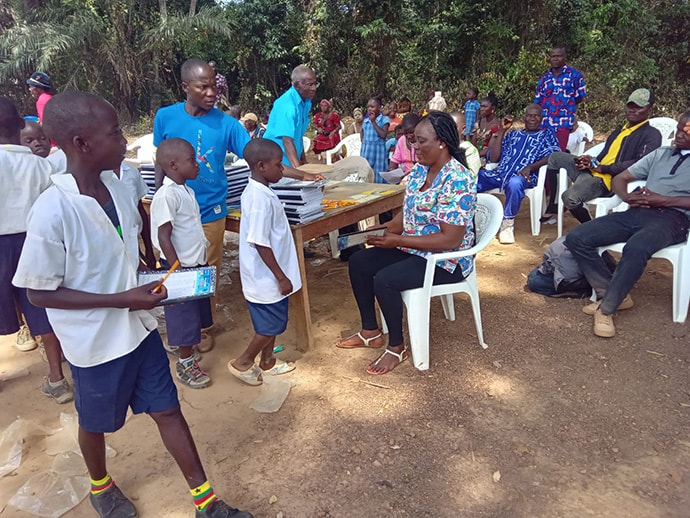
January 2023: Kids receiving their BackToSchool supplies in present of their teachers and parents
Introduction
This paper intends to explore, focusing on the impacts of the coronavirus (COVID-19) pandemic on achieving Sustainable Development Goal 4 (SDG 4), quality education for all, and will extend and connect to Sustainable Development Goal 5 (SDG 5), gender equality. The discussion will deepen into the effects of lost ground due to the pandemic and if there are any mechanisms to put in place to ensure the ground is not lost again if another pandemic, natural disaster, or unnatural disaster occurs. The United Nations (UN) Member States adopted the Sustainable Development Agenda in 2015, setting 2030 as a deadline for achieving gender equality and empowerment of all women and girls, extending to providing equitable education opportunities for all. This Agenda ensures that all girls and boys complete accessible, equitable, and quality primary and secondary education that can lead to relevant learning outcomes for societal benefits (UN Women, 2022). Gender equity entails fairness and justice in the distribution of resources, benefits, and responsibilities among all genders, which is critical because societies worldwide have deemed females, transgender people, and nonbinary people as weaker than males. Government must meet each community wherever it is and allocate resources and opportunities as needed to create equal outcomes for all community members (Martinez, 2022). Nowadays, gender equity has helped shape the roles and expectations of men, women, and all genders at work, at home, and society. The world will be a better and more comfortable place to live when all people are accepted for their talents, skills, and abilities, regardless of gender or level of education.
Continue Reading
Posted on April 24, 2023
By Deepanjali Shrestha
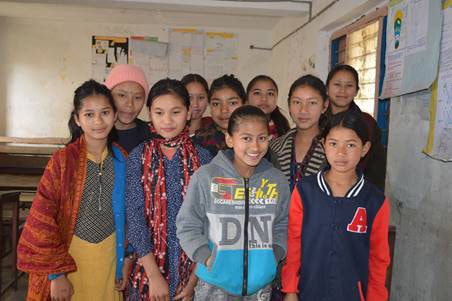
When the pandemic hit, violence against women and girls drastically went up in Nepal. In the first two months of lockdown, domestic violence cases increased by 65 percent.[1] To make matters worse, Covid restrictions made it difficult for women and girls trapped at home with their abusers to seek help, escape, or simply share their pain.
Continue Reading