Peru Artisanal Fisher Development Fund — A Strategy to Support Responsible Production & Sustainable Livelihoods
Republished with permission from Future of Fish
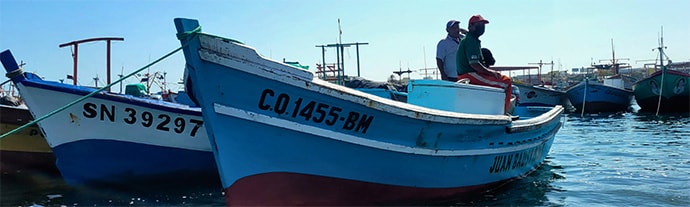
Future of Fish is excited to announce the launch of the Artisanal Fisher Development Fund (the Fund), a pilot loan guarantee fund to facilitate access to credit to support formalization, sustainable practices and financial inclusion amongst Peru´s artisanal fishing sector .
The informal economy in Peru is estimated to make up more than 40% of the country’s GDP and its presence is widespread amongst artisanal fisheries. As in many communities dependent on wild capture fisheries, this lack of formality prevents most fishers, vessel owners, and coops/associations from accessing the formal market and necessary financing to improve their businesses. Many of these fishers instead are reliant on informal money lenders who lock them into “debt-trap” conditions which, in turn, perpetuates the need to fish more to pay off their debts – thus exacerbating overfishing and illegal, unreported, and unregulated fishing (IUU). This dependency means that breaking off existing relationships with informal lenders to pursue new, formal financing sources can present significant risks to fishers. Compounding this risk, even when choosing a path to formalization, a newly formalized business will not be able to access formal credit due to their lack of commercial track record, credit history and adequate collateral. Given these challenges, transitioning from the informal to formal economy presents significant risks that many are unable or fearful to take given the risks to the activities that support their livelihoods.