Blog
Posted on February 18, 2025
By Meera Satpathy, Founder and Chairperson, Sukarya
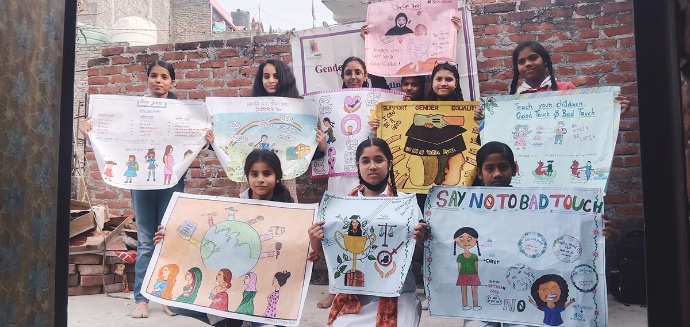
Adolescent Girls Advocate for Gender Equality and Safety through Powerful Posters. Photo: Sukarya
Understanding Gender Equality: A Foundation for Change
Gender equality ensures that women, men, girls, and boys have equal rights and access to resources, opportunities, and protections. Investing in gender equality has lasting positive impacts on children and their communities, creating significant benefits across generations. When women’s rights and well-being are upheld, children’s rights and overall well-being also improve.
Continue Reading
Posted on February 14, 2025
By Agnes Rogo and Estefanny Molina, Women’s Link Worldwide
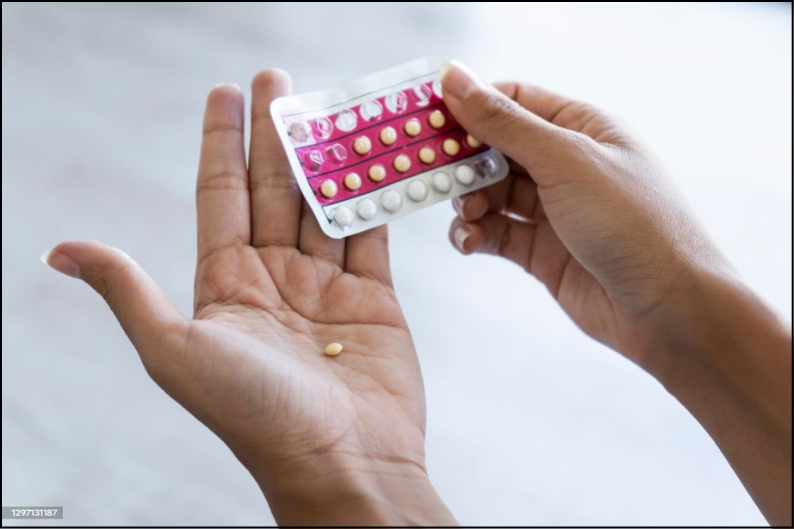
Defective contraceptives have become a silent weapon in the systemic neglect of women’s health, disproportionately harming communities particularly in low-income countries. While access to family planning is a fundamental human right, racialized disparities in pharmaceutical quality control and regulatory oversight have turned contraceptives into sources of trauma rather than empowerment. From Africa to Latin America, the consequences of this injustice—unplanned and forced pregnancies, economic destabilization, and shattered life plans—reveal a pattern of corporate negligence and governmental failure that demands urgent redress.
Continue Reading
Posted on February 14, 2025
By Esther Mwaura-Muiru, Stand for Her Land Global Advocacy Director
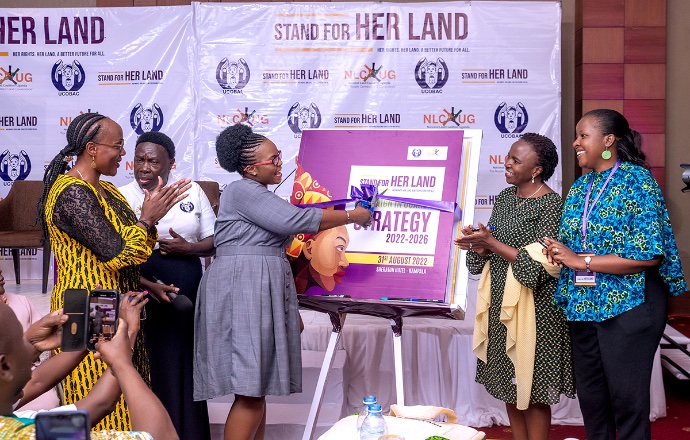
The S4HL Uganda Coalition launches in 2022. Photo: Landesa
A non-profit organization focused on smallholder farmer livelihoods. A government land governance learning week. An investigative radio show protecting human rights.
In Uganda, development initiatives pursuing a common agenda to address gender inequality and sustainable development have found a unifying theme: women’s land rights. The Stand for Her Land (S4HL) Uganda Coalition—part of S4HL, the global campaign for women’s land rights—brings together civil society organizations, government stakeholders, and other key actors in a collective movement to realize women’s fundamental rights to land, properties, housing, and natural resources.
Continue Reading