Blog
Posted on April 17, 2023
By Meetra Alokozay, Executive Director, Sahar Education
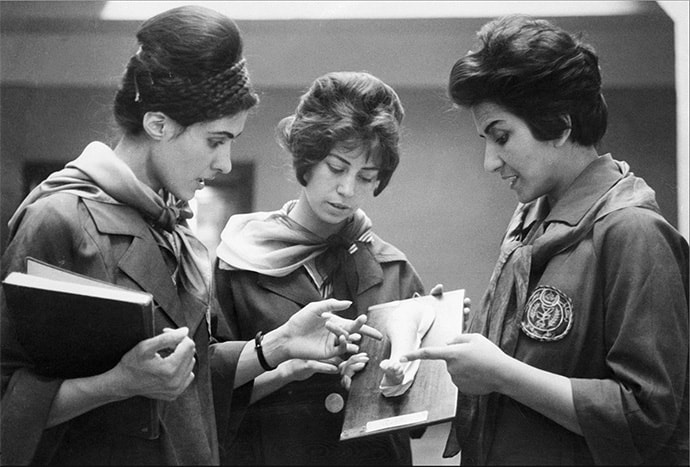
Female Kabul medical university students in 1970s
Historically, women have long borne the brunt of social, political and economic instabilities, with very little to no control over the situation. However, to be “officially” banned from a right as basic as getting an education might be unfamiliar to many. Afghanistan is the only country in the world where women are banned from getting an education, for the second time now. What is known of Afghan women are mostly from the post 9/11 narratives, none of which fully represent the gains and the losses that Afghan women have had to go through. From being able to vote in 1919, to gaining the right to equal political and social participation in the 1960s, to a total loss of right to education, employment, and participation in the social and political spheres as a result of the political unrests in the 80s and 90s.
Continue Reading
Posted on April 4, 2023
By Dr. Karl Weyrauch, Founder and Medical Director, Pygmy Survival Alliance
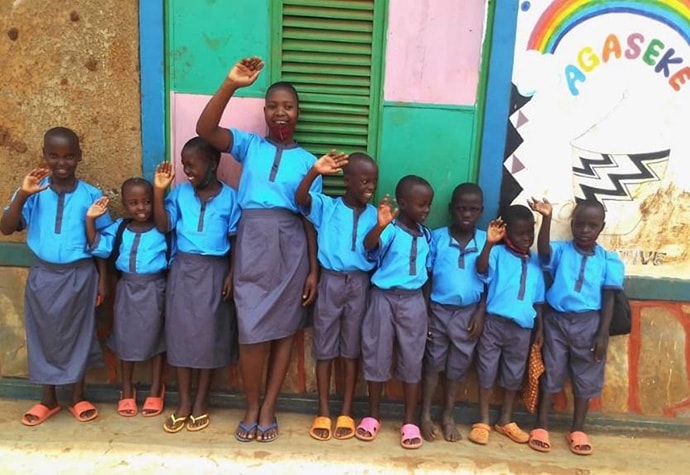
Irerero Nursery School prepares students for success in Primary School and in larger Rwandan society. Photo: Claude Bizimana, PSA Field Manager
Traditionally, there was no use for reading among the Batwa, the indigenous people of Rwanda, also known as “Pygmies” and “Historically Marginalized People.” In the forest, which was their home for millennia, there was nothing to read: no books, no paper, no electronics. Also, no formal schools or written tests. The elders never learned to read, and many thought reading was useless for feeding hungry mouths.
Continue Reading
Posted on March 27, 2023
By Adara Development
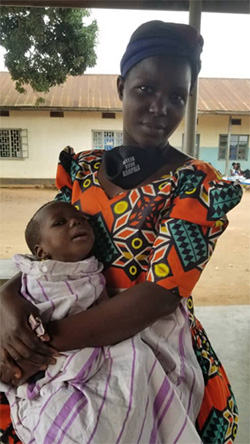
Rebecca and Joyce
When Joyce was born with birth asphyxia, it affected her vision, hearing and communication abilities. Her mother, Rebecca, was faced with an impossible choice: take Joyce for expensive further testing and medication or watch her daughter experience regular seizures.
Rebecca’s experience is not an unfamiliar one for families in Uganda, where there are often few resources for children with neurodisabilities. Across Uganda, there are stigmas that having a child with a disability is a curse or punishment for wrongdoing, and many see children with disabilities as burdens to the community. As a result, parents often feel isolated as they raise and parent a child with a disability.
“Relatives from my husband’s side say that I am cursed,” Rebecca says. “My father in-law told my husband that this baby won’t heal, and such babies end up dying”.
Despite a limited support network and few resources, Rebecca was determined to do her best to care for her child. On World Disability Day, she took Joyce to Kiwoko Hospital in Uganda for an event run by organisations that support people with disabilities.
Continue Reading