Posted on July 8, 2025
By myAgro
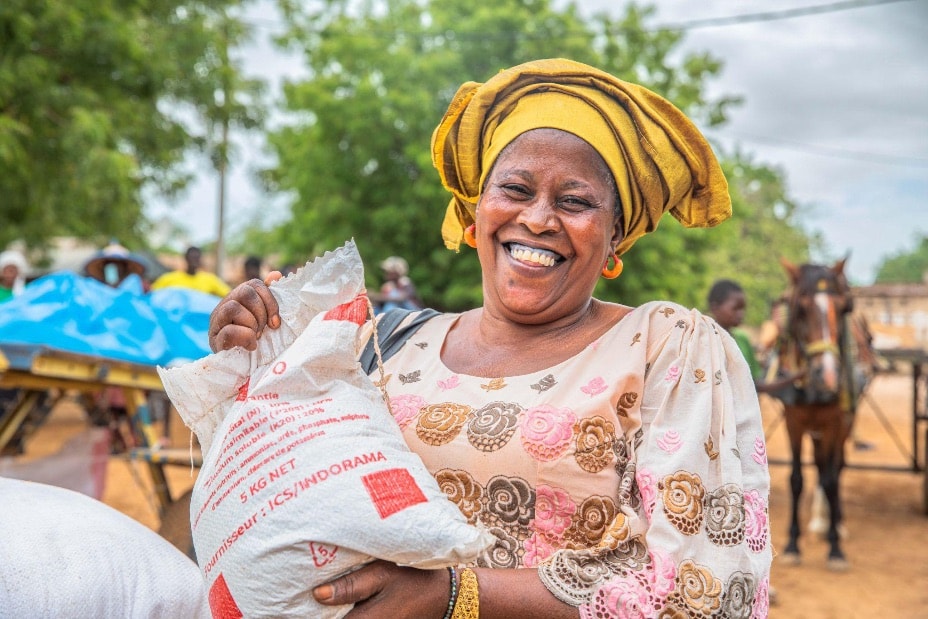
Aida, a farmer with myAgro in Senegal, picking up her farming inputs in Keur Samba.
For smallholder farmers in West Africa, the global climate crisis is having an outsized impact. Rains that they rely on have become more unpredictable and temperatures are rising 1.5 times faster than anywhere else in the world. As the region’s population continues to rise, it is imperative that smallholder farmers, who produce an estimated 30% of the world’s food, are supported to respond to rapidly changing climate conditions.
Continue Reading
Posted on July 8, 2025
Mention the North Pole or a species at risk due to climate change and people often think of polar bears. And thanks in part to the film March of the Penguins, the emperor penguin has become synonymous with the South Pole. But did you know our planet also has a Third Pole?
August 9, 2023
By Snow Leopard Trust
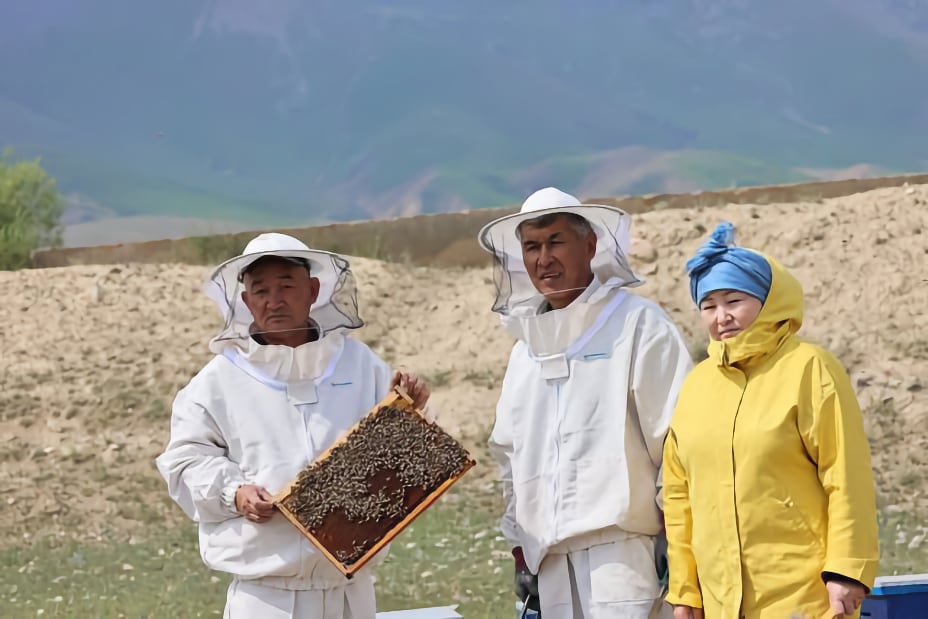
20% of snow leopard-friendly beekeeping profits in Kyrgyzstan fund conservation projects
Located in Asia’s high mountains, this Third Pole has the highest concentration of snow and glaciers outside the Arctic and Antarctic regions and is thought to store 7,000 trillion liters of the planet’s fresh water. It plays a major role in sequestering carbon and determines weather patterns across many countries. It is also home to the legendary ghost of the mountains.
Continue Reading
Posted on July 8, 2025
Communities in Kenya partner with Cisco and Mercy Corps for climate resilience

With the aid of digital mapping tools, Saadia is restoring rangeland to grow trees that will increase income and provide fodder for livestock in Wayama Japta, Kenya.
May 16, 2025
Saadia is the sole provider for her family. She supports them primarily by managing livestock like goats, sheep, and cows in Wayama Japta Village in Wajir County, Kenya.
Managing the herd was never easy and it has become more challenging. Over the last few years, recurring floods and drought have made it harder to feed and water the animals—leading to the death of livestock. Instead of going to school, her 11-year-old son must spend his days taking the animals to graze nearly five kilometers away.
Continue Reading